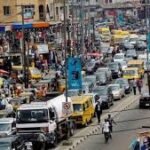



By Friday afternoon in Abuja, the mood begins to change. Work slows down, office corridors grow lighter with conversation, and the familiar question quietly hangs in the air: What are your plans for the weekend?
Across Nigeria’s major cities, Friday is steadily transforming from merely the last working day into something more meaningful — a doorway to rest, connection and small but vital moments of joy.
In the business districts of Lagos, workers stream out of office towers with unusual urgency as the clock edges toward closing time. Some head for cafés and rooftop lounges, while others drift toward the calm waters of the Lagos Lagoon, chasing a sunset that feels like a reward for surviving the week.
For 29-year-old software developer Aisha Bello, finishing work early has become intentional.
“I used to carry work stress into Saturday,” she says. “Now I plan something small on Friday evening. Even a short outing helps me reset.”
Her story mirrors a broader shift among young professionals who are redefining productivity — not as endless hours, but as efficiency that protects personal wellbeing.
Recent reporting by Nigerian media has increasingly highlighted burnout, long commutes and economic pressure shaping urban life. Psychologists and workplace analysts say the response is visible: more Nigerians are guarding their personal time.
Mental-health advocates note that structured rest, social connection and leisure activities can reduce anxiety and improve long-term productivity. In practical terms, this means finishing tasks earlier, delegating better and resisting the culture of unnecessary late hours.
The result is subtle but significant — a society beginning to treat rest not as laziness, but as survival.
Friday evenings unfold differently across the country, yet the intention is the same.
-
In Ibadan, traders close early enough to attend worship services or share unhurried dinners with family.
-
In Port Harcourt, young residents gather for music, conversation and open-air relaxation after demanding workweeks.
-
In Jos, cooler weather invites quiet walks, hillside views and moments of reflection.
For many Nigerians, the goal is not luxury but relief — time to breathe without schedules, traffic alarms or urgent phone calls.
Some workers now organise Fridays deliberately around loved ones.
Human-resources officer Chinedu Okeke says he aims to complete his reports before late afternoon so he can spend the evening outdoors with his children.
“It may look small,” he explains, “but those hours mean everything after a stressful week.”
In a country where hard work is deeply valued, choosing family time can feel like an act of quiet resistance — a reminder that success is measured not only in income, but in presence.
The growing culture of finishing fast and living fully reflects deeper social change. Nigerians are negotiating modern pressures while trying to preserve joy, community and mental stability.
Friday, once just a closing bracket to the workweek, is becoming something else entirely:
a weekly opportunity to reclaim life.
And as offices empty and city lights flicker on, one truth feels increasingly clear — the weekend is no longer an escape.
It is a necessity.