

In a country of more than 250 ethnic groups, Nigeria’s sense of self has long been shaped by deep traditions, languages, religion and region. But in recent years, voices across society — from artists and students to activists and diasporans — are pushing for something broader: a national identity that goes beyond tribe and creed.
For decades, politics in Nigeria has revolved around ethnic and religious lines, and commentators argue this has made national unity harder to achieve. Government officials have acknowledged that many citizens still primarily identify with their “tribe” or faith rather than the nation itself — a situation they see as fueling mistrust, division and even conflict.
“It’s about psychological connection,” says one public official. “Many Nigerians feel more loyal to their ethnic group than to Nigeria.”
Yet, a new narrative is emerging — one that draws on culture, language, the diaspora experience and civic engagement as markers of belonging.
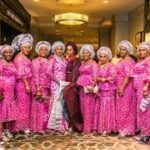
Across cities like Lagos and Abuja — and online — cultural festivals, artistic collaborations and public celebrations are becoming spaces where national identity is felt more than spoken.
Events such as Culturati in Lagos, a platform for African arts and heritage, have grown into vibrant celebrations of music, fashion, and storytelling that attract creators from every part of the country.
Likewise, regional festivals such as Golibe in Onitsha bring people together not just to honour the past, but to share food, performance and community. Such gatherings are not just local sights but experiences that thread cultural expression into what it means to be Nigerian.
“I’ve met Nigerians from different states singing the same songs and dancing just as happily,” one festival-goer in Lagos told local press. For many, these occasions are as potent a symbol of unity as the national anthem.
With more than 500 languages spoken across the country, language is a powerful but complicated part of identity. Nigerian Pidgin — spoken informally by millions — is now embraced by tech platforms and creatives as a shared linguistic space that cuts across tribal boundaries.
For younger Nigerians, especially on social media, Pidgin functions as a kind of everyday national voice — accessible, humorous and inclusive. It’s a form of expression that feels distinctly Nigerian but not limited to any one region or religion.
From London to New York, Nigerians living abroad are also reshaping what it means to be Nigerian. For many in the diaspora, language, food, music and storytelling become anchors to a homeland they left behind.
A study of Igbo naming practices among communities in the United States found that names given to children are rich with cultural meaning, linking personal identity to communal values and shared history — even across continents.
But identity isn’t fixed. Researchers note that second-generation Nigerians often balance a hybrid sense of self — part British or American, part Nigerian — creating new layers of belonging that don’t neatly fit into old boxes.
Perhaps the most striking shift is the rise of civic identity — where Nigerians define themselves through shared experiences of citizenship, rights and responsibilities.
Recent youth movements, online campaigns and civic tech initiatives show Nigerians mobilising around issues such as social justice, good governance and accountability, rather than lineage or faith alone.
Social media, in particular, has become a forum for national conversation, shaping a generation that sees “Nigerian” first — and tribe second.
Despite these promising shifts, challenges remain. Debates over citizenship rights, the indigene-settler divide and regional inequalities still haunt public life. Church leaders and peace advocates warn that unless these issues are addressed, national unity will remain fragile.
Yet, many Nigerians — young and old, at home and abroad — are forging new ways to understand themselves. It is a journey from division towards connection: through shared food and music, common language and civic purpose, and a growing sense that to be Nigerian can mean many things at once — but above all, to belong.