

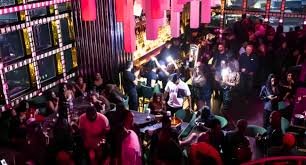

When the sun dips below the Lagos skyline and the hum of traffic fades, another kind of rhythm takes over — one shaped by dance, music and togetherness. In Nigeria’s busiest cities, nightlife isn’t just about clubs and loud speakers any more; it’s a living, breathing culture that speaks to identity, freedom and belonging.
On Victoria Island, for instance, themed nights like Jersey Night have become more than parties — they are celebrations of community and expression. Guests turn up in colourful team jerseys, drawn in by sets from top DJs, infectious rhythms and a crowd that refuses to let the night cool off. Organisers say the energy comes not just from the music, but from what the event represents: connection without pretence.
For years, Afrobeats has been the sound Nigerians danced to, from street corners to packed clubs. But lately, the country’s nightlife soundtrack is branching out. Electronic Dance Music (EDM) — once considered an underground movement — is now challenging the traditional party soundscape, especially among Gen Z revellers.
Spotify data reveals a striking uptick in EDM streams in Nigeria over the last three years, with playlists curated by Nigerians growing by over 350 per cent. Young people are embracing electronic beats not as a rival to Afrobeats, but as a new way to amplify it — fusing Afro rhythms with deep house, techno and electro for something fresh yet unmistakably local.
What’s interesting isn’t just the music itself, but the culture around it. These emerging raves are less about exclusivity and bottle service and more about community — a space where you come as you are and lose yourself in sound without the pressure of status. It’s a nightlife that feels genuine, raw and inclusive.
Behind this transformation are the DJs — the unseen architects of every great night. In Lagos and beyond, artists like DJ Shawn, DJ Spinall and rising talents such as Aniko and DJ TGarbs are blending Afrobeat, amapiano, hip‑hop and house music into sets that keep the dancefloor alive. Their mixing isn’t just technical; it’s cultural — drawing on local sounds while pushing boundaries and inspiring trends.
Take Obi’s House, for example: what began as virtual dance sessions during the pandemic has grown into weekly real‑world gatherings, packed with energy, surprise celebrity appearances and genre‑bending rhythms. It’s become a hotspot for those who see nightlife as more than just weekend entertainment — it’s where stories are made.
Nigeria’s nightlife isn’t just about fun — it’s a cultural barometer. The shift towards inclusive raves and blended sounds reflects a young population determined to carve out spaces that reflect their values: creativity over clout, belonging over exclusivity.
While the high‑end club scene still thrives with premium experiences and upscale venues, it’s these grassroots movements — the raves in converted warehouses, beachside beats at Tarkwa Bay and community‑driven EDM sessions — that seem to be shaping what it means to dance in Nigeria today.
In a country of over 200 million people, where Afrobeats already rules global playlists, the nightlife revolution shows that music — and the dancefloor — will always find new ways to surprise us.