

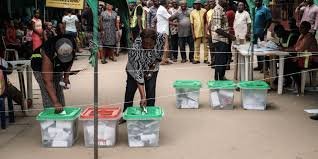

In the run‑up to Nigeria’s 2027 general elections, the bitter contest over electronic voting and result transmission has exposed deeper fractures in the country’s democratic fabric — far beyond technical disagreements about gadgets and networks. What began as a debate about how votes should be transmitted has morphed into a vivid public reckoning with democratic inclusion, institutional inertia, and constitutional trust.
At the heart of the storm is the Electoral Act Amendment Bill 2026. The Senate initially declined to make real‑time electronic transmission of polling‑unit results mandatory, opting instead to leave it optional under the discretion of the Independent National Electoral Commission (INEC). That decision drew sharp criticism from civil society groups, opposition parties and voter advocates who argue that transparency cannot be optional in a fragile democracy.
In the face of mounting pressure — including protests from figures such as Labour Party presidential candidate Peter Obi — lawmakers reversed course and agreed to support mandatory real‑time electronic transmission ahead of harmonisation.
Yet this back‑and‑forth underscores a deeper democratic anxiety: for many Nigerians, the issue is not simply about technology but about trust in the electoral system itself.
Electronic voting reforms raise a stark question: who actually participates in Nigeria’s elections, and on whose terms?
Proponents argue that credible technology would help legitimise outcomes in a system long plagued by accusations of manipulation. Mandatory electronic transmission, they argue, limits the space for human interference once ballots leave polling units and travel up the chain of collation.
But critics of the Senate’s initial resistance saw something more troubling: a legislative instinct to preserve old channels of control. By retaining discretionary language about transmission methods, some argue, the Senate effectively preserved opportunities for opacity — the very things that have fed electoral disputes and court challenges in past elections.
For ordinary voters, this matters. Millions of Nigerians, especially young first‑time voters and marginalised communities, see technology as a way to break the cycle of disillusionment and disengagement that has marked recent elections, where turnout dipped and post‑poll litigation became the norm.
The controversy also highlights a persistent tension between law, technology and practice in Nigeria’s democracy.
Despite constitutional provisions granting INEC authority to organise credible elections, the Electoral Act itself has lagged behind. A Supreme Court ruling made clear that electronic transmission was not legally mandatory because it lacked explicit backing in the law. This legal gap was the very loophole reformers sought to close.
Yet the slow pace of legal reform reveals a broader inertia. Constitutional amendments in Nigeria are notoriously difficult to pass, and electoral reform has often been bottled up by political interests that benefit from ambiguity. The result is a democratic deficit: laws that look modern on paper but fail to embed clear safeguards in practice.
This weakness has consequences beyond elections. When electoral disputes land in court — as they often do — the judiciary becomes a de facto arbiter of political outcomes. That can erode public confidence in both electoral and judicial institutions, creating a cycle of distrust that weakens democracy itself.
As Nigeria approaches 2027, the e‑transmission saga offers a stark lesson: democratic reform cannot succeed by tinkering at the edges.
Real technological improvements — whether electronic voting or biometric systems — must be paired with clear, enforceable laws and robust institutional independence. Otherwise, reforms risk being symbolic gestures rather than meaningful protections for voter rights.
The question Nigerians now face is simple but profound: will the political class truly embrace reforms that empower citizens and strengthen transparency, or will inertia and vested interests dilute progress yet again?
The answer will shape not just how votes are counted but whose voice counts in Nigeria’s democracy.