

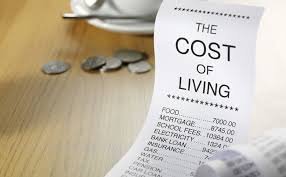

Every morning in Nigeria’s bustling markets, families start their day with a simple ritual: buying the daily bread. But in recent years, that basic act has become a stark measure of how hard life has become for ordinary people — from Mile 12 Market in Lagos to Garki Model Market in Abuja.
Across the country, the cost of food has swung wildly, forcing households into difficult choices about what goes on the table. Official data and regular market surveys show food prices and inflation moving in fits and starts, offering some relief at times but almost always leaving affordability out of reach for many.
Lagos: Prices Rise, Fall, and Rise Again
In Lagos, one of Nigeria’s largest food hubs, traders and researchers have kept close tabs on price movements over the last couple of years. Surveys from major markets — including Mile 12, Daleko and Mushin — show how food prices can flip from relief to strain in just weeks.
In early 2025, staple food costs across Lagos fell compared with January. Items such as rice, beans, tomatoes and garri recorded notable price drops, offering modest respite to shoppers. A 50 kg bag of rice, which once changed hands for between ₦90,000 and ₦95,000, was selling around ₦75,000 by March.
Yet this relief was fragile. By December, festive demand and tightening supplies pushed prices sharply upwards: out of 70 items tracked in a market survey, 49 became more expensive compared with the previous month.
Earlier in the year, some essentials such as frozen fish, pepper and tomatoes had seen dramatic spikes of over 100 %, putting fresh pressure on household budgets.
For many Lagosians, these fluctuations are more than statistics. Even when prices ease on paper, the truth at the market stall can look very different. A medium loaf of bread — a basic breakfast item — is now routinely priced between ₦700 and ₦1,500, meaning families are cutting familiar foods from their menus just to balance the books.
Abuja: Mixed Signals from the Capital
In Abuja’s markets — such as Garki Model Market — the story is similarly complex.
Recent data from the National Bureau of Statistics shows that food inflation nationally eased towards the end of 2025, and in some months even dipped slightly month-on-month. For example, between November and January, food prices in Abuja markets saw modest declines in items like tomatoes, beans and onions.
But even falling prices don’t always translate into more affordable meals for families. Many residents in Abuja continue to feel stretched, because other pressures — like transport costs, fuel prices and low wages — counter any gains at the market. One civil servant asked pointedly, “If food prices have dropped, are they affordable to the common man?”
Beyond Numbers: What This Means at Home
Official inflation figures tell part of the story — food inflation eased to around 10.8 % year-on-year in late 2025 after peaking at much higher levels in previous years. But for many Nigerians, numbers don’t reflect the daily reality of budgeting for eggs, bread, rice and oil.
Across both Lagos and Abuja, what’s clear is that price movements — whether up or down — are far less important than affordability. A loaf of bread that costs three times what it did a few years ago, or a bag of rice that barely feeds a family for three days, are not just economic indicators: they are measures of pressure on people’s lives.
Food prices remain deeply intertwined with broader economic forces: exchange rate volatility, fuel price changes, supply chain bottlenecks and insecurity in farming regions all feed into what shoppers ultimately pay. These are not abstract policy issues; they are the daily arithmetic of survival in markets from Mile 12 to Garki.