

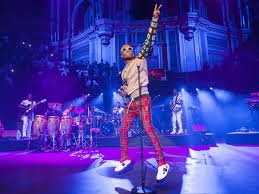
In recent years, Nigerian stars have not just travelled abroad — they have arrived. From sold-out arenas to glittering film festivals and world-class stadiums, these familiar names now carry a piece of Nigeria wherever they go. And back home, millions watch with a quiet smile that says, “Yes, that’s one of ours.”
When Burna Boy, Wizkid, and Tiwa Savage step onto global stages, they do more than sing — they translate Nigeria.
Afrobeats, once a local groove played in neighbourhood taxis and weekend parties, now echoes through London, New York, and Paris. Their awards, collaborations, and chart-topping hits have quietly rewritten the global music conversation.
For Nigerians, this success feels personal. It is the sound of possibility. It whispers, “If our music can conquer the world, perhaps our dreams can too.”
Their presence at global festivals and major productions sends a powerful message to young creatives in Enugu, Kano, or Port Harcourt:
Your story matters. And the world is willing to listen.
Giannis may wear Greek colours, but his Nigerian roots are proudly claimed across the continent. In true Nigerian fashion, we celebrate him enthusiastically — and perhaps argue playfully about which village he really belongs to.
And let’s be honest — Nigerians have always known we dress well. The rest of the world is simply catching up.
These global figures do something statistics and speeches often fail to achieve — they make Nigerians feel proud in a deeply human way.
They challenge tired stereotypes and replace them with images of brilliance, discipline, and creativity. In a country frequently discussed through the language of problems, they offer a different vocabulary: talent, resilience, excellence, hope.
Yet influence comes with responsibility. Role models shape attitudes, especially for young people watching closely. What these celebrities say, do, and represent travels just as far as their music, films, or trophies.
In the end, the rise of Nigerian celebrities is not only their story — it is Nigeria’s story. Each global success feels like a small national victory. Each standing ovation abroad sounds a bit like applause at home. And perhaps that is their greatest gift: They remind Nigerians everywhere that beyond the headlines and hardships lies a nation rich in creativity, courage, and limitless possibility — a nation still learning, still striving, and still shining.